

Healthcare PPC
Healthcare Google Ads measured on appointment requests
We run Google Ads for clinics and practices, for the services you are allowed to advertise, written within Google's healthcare policies and measured on appointment requests. Each location and service gets its own campaign, with no audiences built from health information. Calls and forms are counted without patient details going into Google Ads or analytics. The ad account is yours, and you pay Google directly.
The problem
When Google limits your ads and the report can't show new patients
Many clinics have run Google Ads, on their own or with an agency, and hit the same walls. Some ads are disapproved or limited, a main treatment turns out to be one Google restricts, and the report shows clicks while the front desk can’t say which calls became appointments.
Signs your clinic's ads aren't paying off
Ads disapproved or limited
Google flagged ads, keywords or a landing page under its healthcare policies, and no one is sure which words caused it.
A main service you can't advertise
Your most important treatment needs certification or isn’t allowed in ads, so the budget goes to the services that matter less.
Clicks with no new patients behind them
The report counts clicks and calls, including existing patients calling to reschedule, but not which new patients asked for an appointment.
Budget spent on your own name
Most of the spend goes to people who searched for your clinic by name and would have found you anyway.
Ad rules
Google's ad rules for healthcare, and how we work within them
Google limits what clinics can advertise and how the ads can be aimed. We check each service and each page against those rules before anything is built, so campaigns don’t start with disapprovals.
What you can advertise
Google’s healthcare and medicines policy restricts prescription drug terms in ads, keywords and landing pages, and asks for certification, usually from LegitScript in the US and Canada, before online pharmacies, telemedicine services that prescribe, or drug and alcohol addiction treatment can advertise. We advertise the services the policy allows. Where a service can’t be advertised, our healthcare SEO page shows how search and AI answers can bring those patients.
No audiences built from health information
Google treats health as a sensitive category, so ads about health conditions and their treatments can’t use customer lists, website visitor lists or lookalike audiences. We also don’t target by age, gender or income, and we never upload patient lists. Campaigns start from what patients search for.
Search ads for patients searching now
Someone typing “physical therapy near me” or “sports injury clinic in Dublin” wants an appointment soon. A search ad answers that search and sends them to the page for that service and location, with the phone number and a short request form.
What's included
What our healthcare Google Ads management covers
Every clinic gets the same groundwork. The policy review decides which services can run, and the research decides how the budget is split between locations, services and, where patients use Bing, Microsoft Ads.
A policy review of every service and page
Before the build we check each service against Google’s healthcare policies, and each page an ad could link to, including its menu, forms and footer, for restricted terms. You know what can run before anything is spent.
A campaign for each location and service
Each location gets its own campaigns, split by service, so the budget follows the appointments you want more of and each location’s results are reported on their own.
Research and budget math
Search volumes and current bids for each service and town, from Google’s Keyword Planner, and what the budget can buy. Medical clicks are often expensive; if a market costs more than your budget can carry, we tell you.
Search campaigns built by hand
Exact and phrase match keywords on Google Search only at launch, with job seekers, free and do-it-yourself searches and services you don’t offer blocked from the first day. We set the bids ourselves until the account has enough real conversions for Google’s automated bidding.
Appointment requests counted without patient details
Google Ads counts the call or the form, each tested with a real inquiry before launch. The patient’s name, contact details and reason for the visit stay out of Google Ads and analytics. Tracking every call and form to its source, from ads and everywhere else, is our lead tracking service, which runs alongside this one.
Ads written within the rules
Two ads for each group of keywords, written for the service and the location in wording that stays within Google’s and Microsoft’s healthcare policies, with sitelinks to real pages and the location from your Google Business Profile.
Landing pages that pass review
When your site’s menu, forms or footer name a restricted service, an ad needs a clean page: one service, your number on every screen and a short form with no health questions. Our web team builds it, quoted separately from the ad management.
The account in your name
We create the Google Ads account for your practice under our manager account, or take over the one you have. You are the owner, we are added as the manager, and you pay Google directly, with no markup on clicks.
Process
How we launch and run medical PPC campaigns
-
Discovery
We start with each location: its services, the appointments you want more of, who answers calls and requests, and the monthly budget. Then we check which services Google allows you to advertise.
-
Research
We pull search volumes and current bids for each service and town, and show you what each location’s budget can buy before anything runs.
-
Build and test
We build the account in your name, set up the tracking and test it with a real call and a real form, check every landing page for restricted terms, then send the ads for Google’s review with the campaigns paused.
-
Launch and tune
After launch we read the search terms, block what doesn’t fit and check for disapprovals twice a day for the first two days. Bids and budgets change in small steps.
-
Report every month
Each month you see, for every location, the spend, the calls, forms and appointment requests from ads and what each request cost, the calls that weren’t new patients, what we changed and what comes next.
Reporting
How we report healthcare Google Ads, location by location
Each month you get a report for every location: the spend, calls and forms from Google Ads and, where we run it, Microsoft Ads, the ones that weren't new patients, the appointment requests among the rest and what each request cost. Where you share figures from your booking system, booked appointments sit next to them. The report shows counts, never patient names. No one can guarantee a cost per appointment or a fixed spot on Google. What we promise is the work, done well, and an honest report on whether it's paying off.
October report
One report per location
Appointment requests from ads
17 in October
Inquiries from ads
What changed
- Sports injury searches got their own campaign in June; appointment requests from ads rose from 8 in May to 17.
- Five calls from existing patients and vendors were left out of the count.
- Team
- 17 Marketing Experts
- Experience
- 200+ Years of Combined Experience
- Reach
- 25 Industries Served
- Outcome
- $100M+ Revenue Generated
Team
The team behind your ads
-
Liudmila Kaushovik Paid Media Specialist

-
Alina Demidchik Digital Strategist

-
Olga Krutovtsova CRM Manager

Client words
What it's like working with us
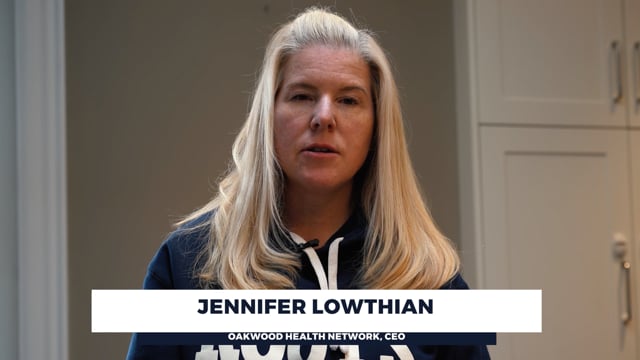 Watch Jennifer's review
“I can confidently say that working with them is profitable. If you are looking for strategic partner, I would highly recommend working with Roman.Agency”
Big brands, multiple stakeholders and approvals

“While I was Chief Creative Officer of Ogilvy Canada, Roman and I worked together on the Mondelez account. Roman showed technical expertise in SEO while understanding the marketing goals of the campaign. Most importantly, he demonstrated the ability to deliver results while working on a project with multiple decision-makers and stakeholders. If you have an SEO-related project, I would highly recommend them.”
More from our clients
A very professional and dedicated company! Roman and his staff is exceptional and always willing to help and optimize the service provided.
I needed to create a website for my project, but I didn’t think it would be so difficult to find someone who would provide good service. Roman's team, however, did an excellent job and was right on schedule. Our website is now even better than I had hoped to see. Their work was outstanding!
Hire them to help with the website and YouTube Promotion. After years of working with "music promoters" they were a breath of fresh air. Finally our subscribers started to grow and we could see actual effect of marketing, not just paid views.
FAQ
Questions about healthcare Google Ads
Can my clinic advertise on Google?
Many clinic services can be advertised, within Google’s healthcare and medicines policy. Prescription drugs and some treatments are restricted, and some services need certification first. We check your services and pages before we build anything. Where a service can’t be advertised, search and AI answers do more of the work, as our healthcare SEO page explains.
Do we need LegitScript certification?
Only for some services. In the US and Canada, Google asks for certification, usually from LegitScript, before online pharmacies, telemedicine services that prescribe, or drug and alcohol addiction treatment can advertise. A practice that sees patients in person and doesn’t prescribe online, such as physical therapy, chiropractic or counseling, usually doesn’t need it. Once we start, our policy review of your services tells you which applies, and if you need certification, the application is in your clinic’s name.
What happens if Google disapproves an ad?
We check for disapprovals twice a day for the first two days after launch, and at every review after that. A disapproved ad is fixed by removing the flagged wording and sent for review again. We appeal only when we can show the flag is wrong. Repeated policy problems can put a whole account at risk, which is why pages and ads are checked before launch.
Do you target patients by age, gender or income?
No. Google treats health as a sensitive category and doesn’t allow audiences built from customer lists or website visitors for health ads. On top of that, we don’t target by age, gender or income, and we never upload patient lists. Campaigns are aimed at your locations and at what people search for.
Who owns the Google Ads account?
You do. We create the account in your practice’s name, or take over the one you have, and we are added as the manager. You pay Google directly with your own card. If we part ways, the account, its history and the tracking stay with you.
Who will run our account?
Our paid media team, the people shown on this page. Every healthcare account they run follows the rules on this page: the policy review before launch, no audiences built from health information and no patient details in Google Ads. We keep a dated log of every change and the reason for it.
We already run Google Ads. Can you look at the account?
Yes, for clinics with several locations. Send your website through the presence check, tell us when we reply, and with read-only access we add a review of the account, including any disapprovals, to your scorecard.
How do you handle patient information?
Protecting patient information is the clinic’s legal duty: HIPAA in the United States, and PIPEDA and provincial laws such as Ontario’s PHIPA in Canada. We know these rules and advise on them as part of the work. A typical WordPress site and its hosting are not set up for health information, so we plan how inquiries are collected and stored: HIPAA-compliant hosting and form tools where they are needed, forms that keep patient details off the website, and lead handling that keeps health information out of ad and analytics platforms.
How do you keep existing patients out of the count?
Searches for your patient portal, billing or careers are blocked as keywords. Calls and forms that still come from existing patients or vendors are left out of the appointment request count and shown on their own line in the report. Where your front desk notes which callers are new patients, the report uses that count.
Do you run ads on our clinic's name?
Yes, in a small brand campaign of its own, because other clinics and directories often bid on those names. Most of the budget goes to searches by service and town. The report shows brand and non-brand searches on separate lines, so clicks on your own name don’t make the account look better than it is.
What kinds of practices do you work with?
As a healthcare PPC agency, we work with clinics, private practices, therapists and specialist centers in the US and Canada, and we work best with practices that have several locations. For a single practice, we tell you early whether the budget can carry both the ads and our fee. Our healthcare marketing page shows more of our healthcare work, and our healthcare portfolio shows the website, Google Ads and videos we made for Oakwood Health Network’s men’s health clinics. For businesses outside healthcare, see our Google Ads management page.
How soon will we see appointment requests?
A new account usually starts running within about two weeks of getting access and billing set up, and paid search can bring appointment requests in the first weeks. A service that needs certification waits until it comes through. In those weeks we read the search terms, block what doesn’t fit and adjust bids in small steps. We judge each location’s campaigns on appointment requests over months, not days.